

Polishers



Learn More About
Polishers
A buffer polisher, also called a car polisher or machine polisher, does the paint correction that hand application can't: removing swirls, light scratches, and oxidation, then refining gloss. Pick by drive type first. A random orbital (DA) is the safest finisher, a gear-driven polisher forces the pad to keep turning for more cut, and a rotary cuts fastest and sands. Choose corded, cordless, and air-powered machines from RUPES, FLEX, and Barjack.
How to Choose: By Drive Type
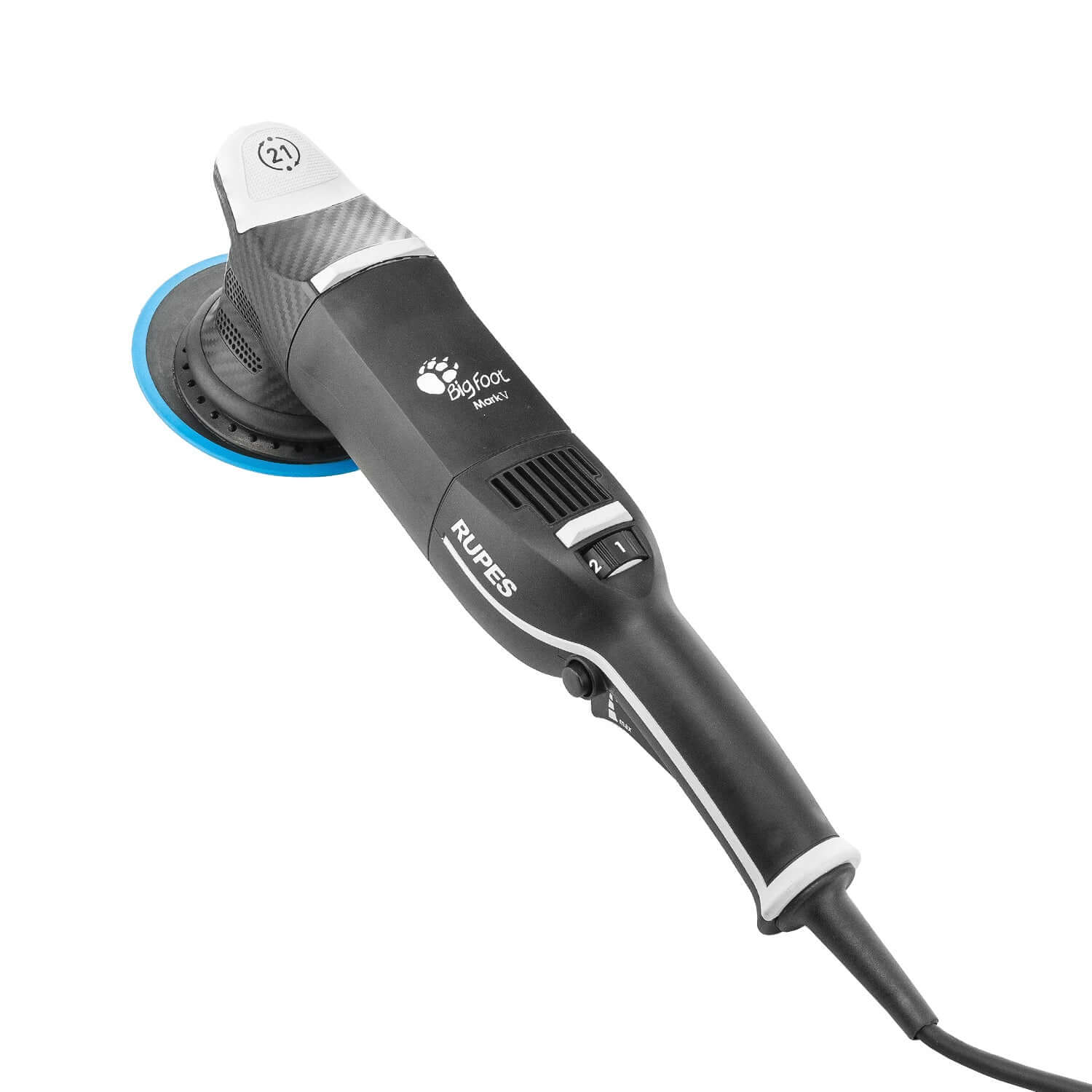
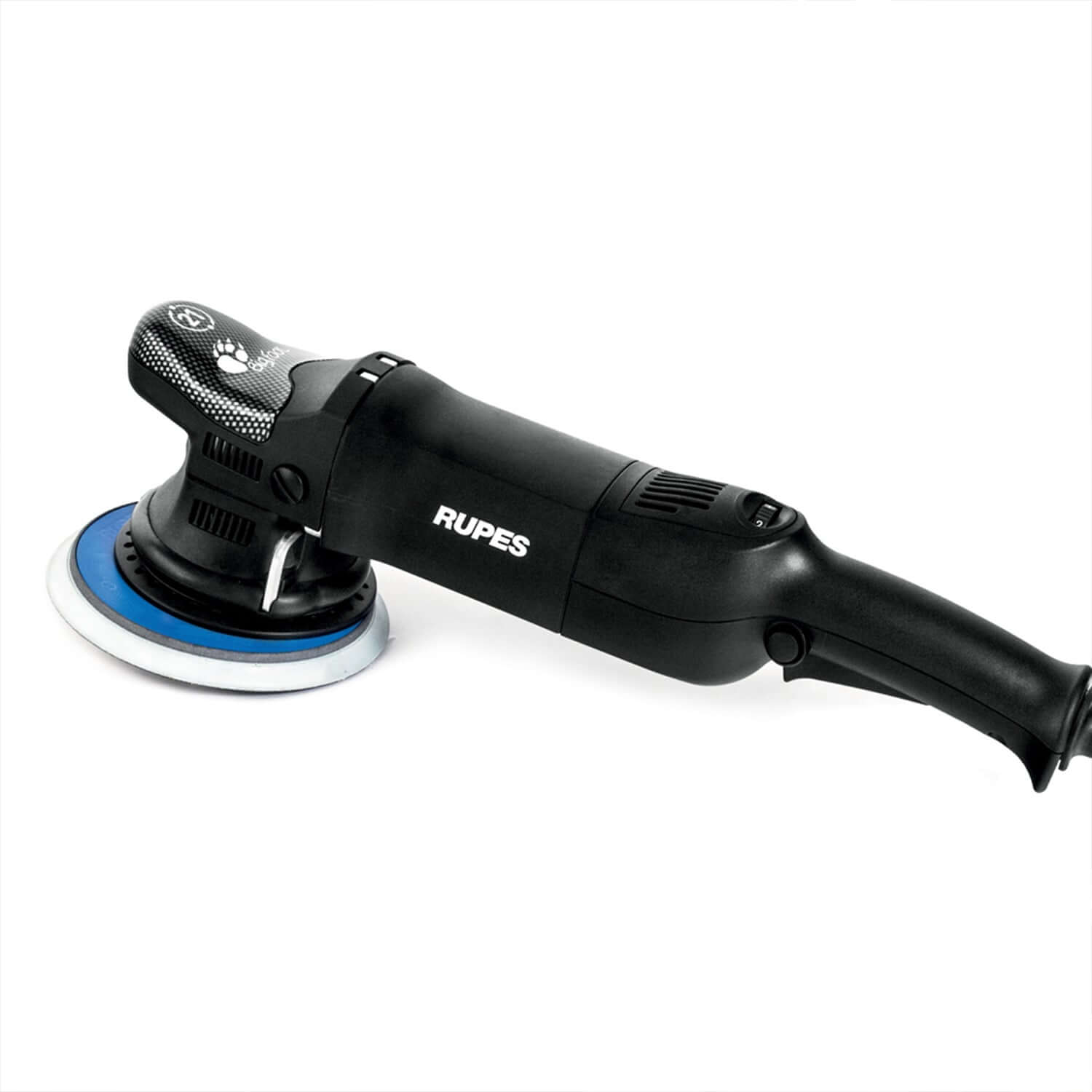
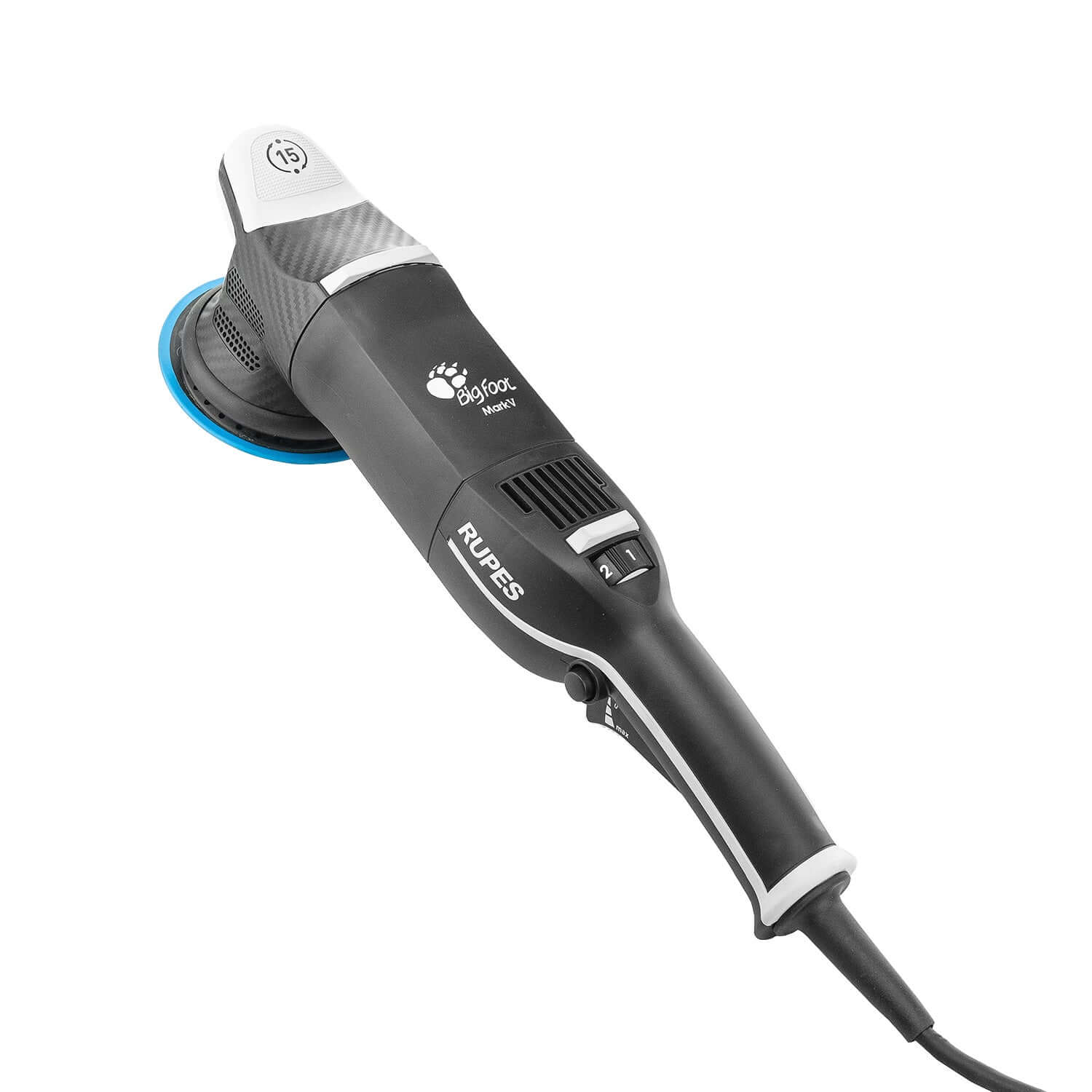
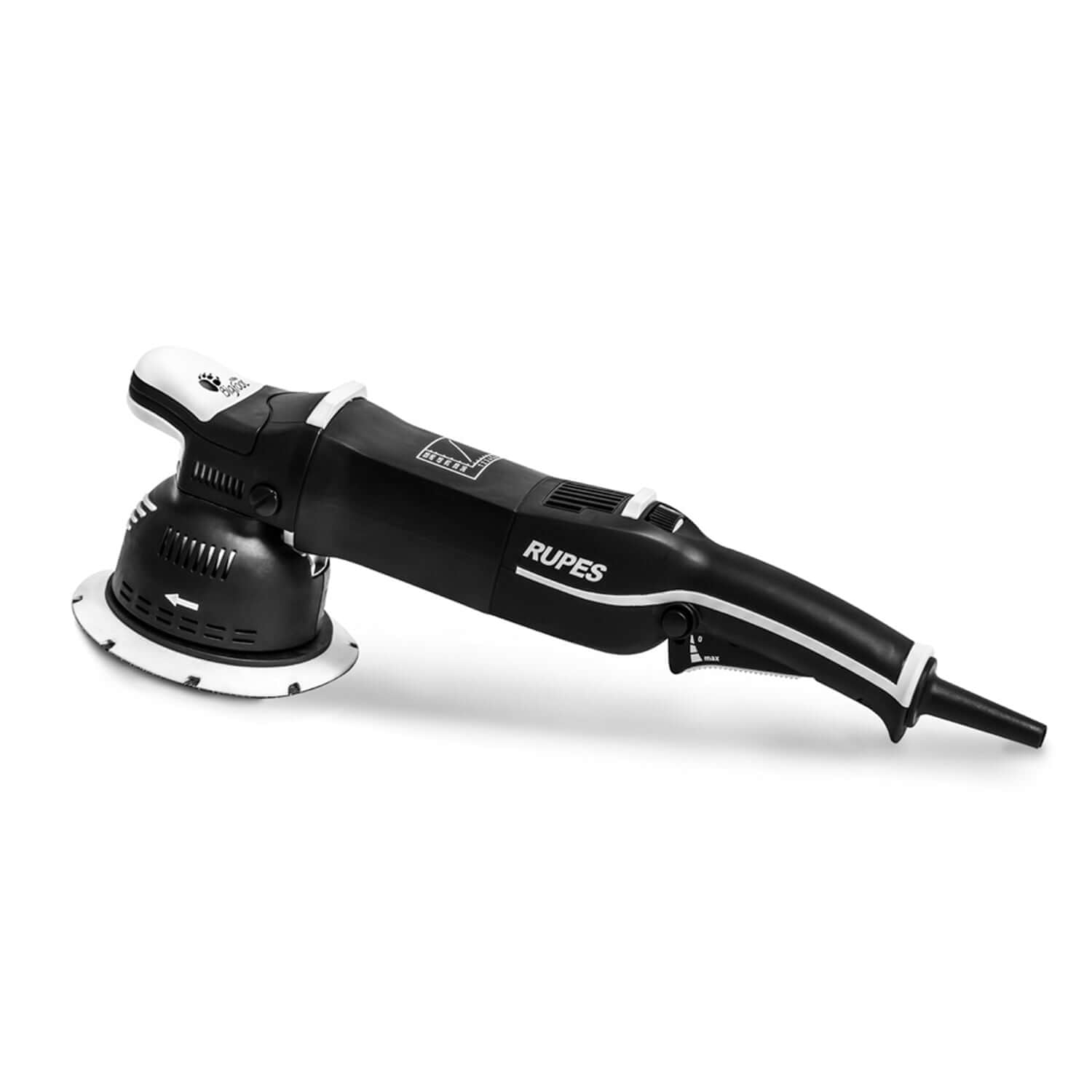
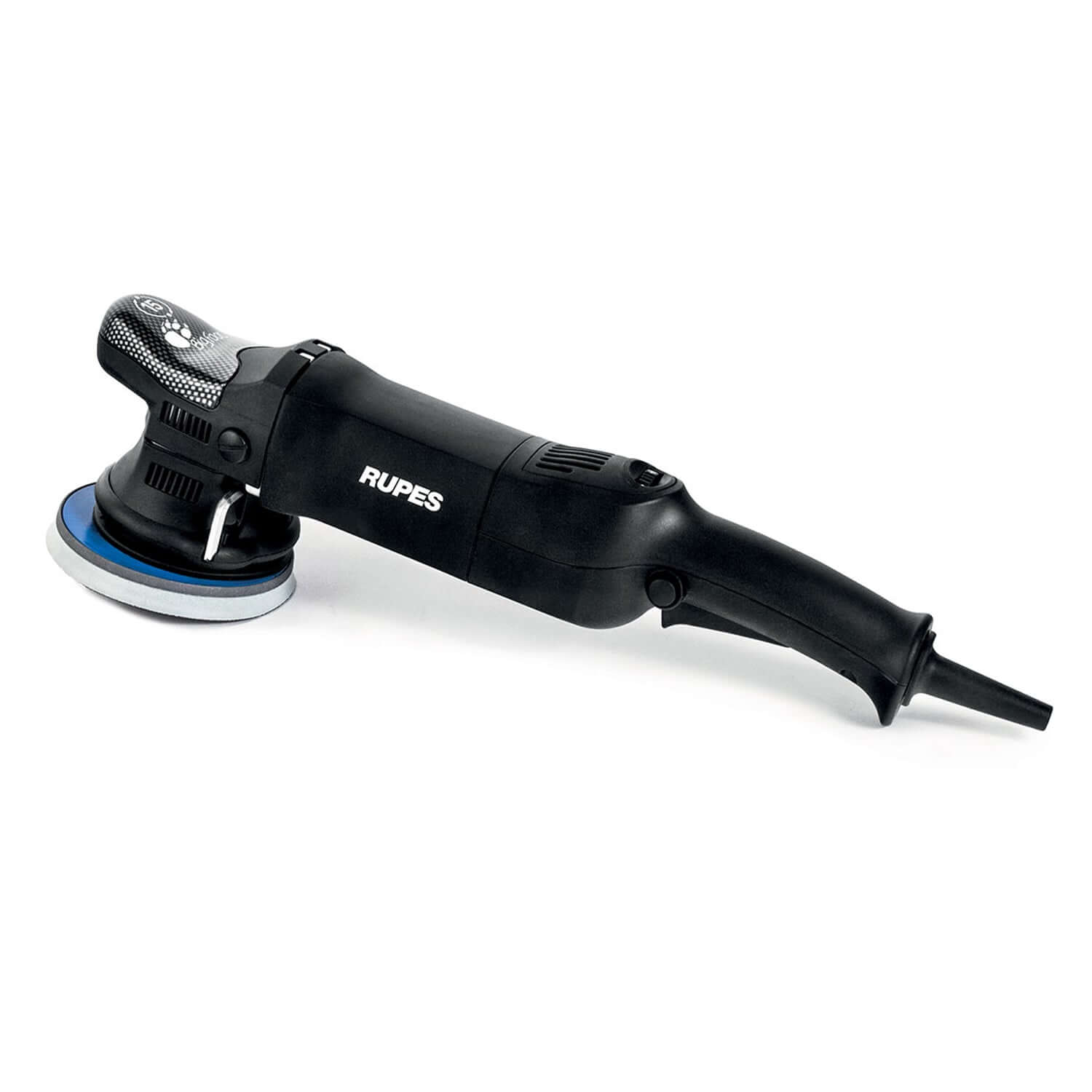
Random orbital (DA): the safest place to start, and the usual finishing step after heavier correction. RUPES LHR21 Mark V and LHR15 Mark V cover 6-inch big panels and 5-inch curves, and the Barjack 6" Dual Action Polisher runs a 21mm throw at 1,700 to 4,500 RPM. Shop all random orbital polishers.
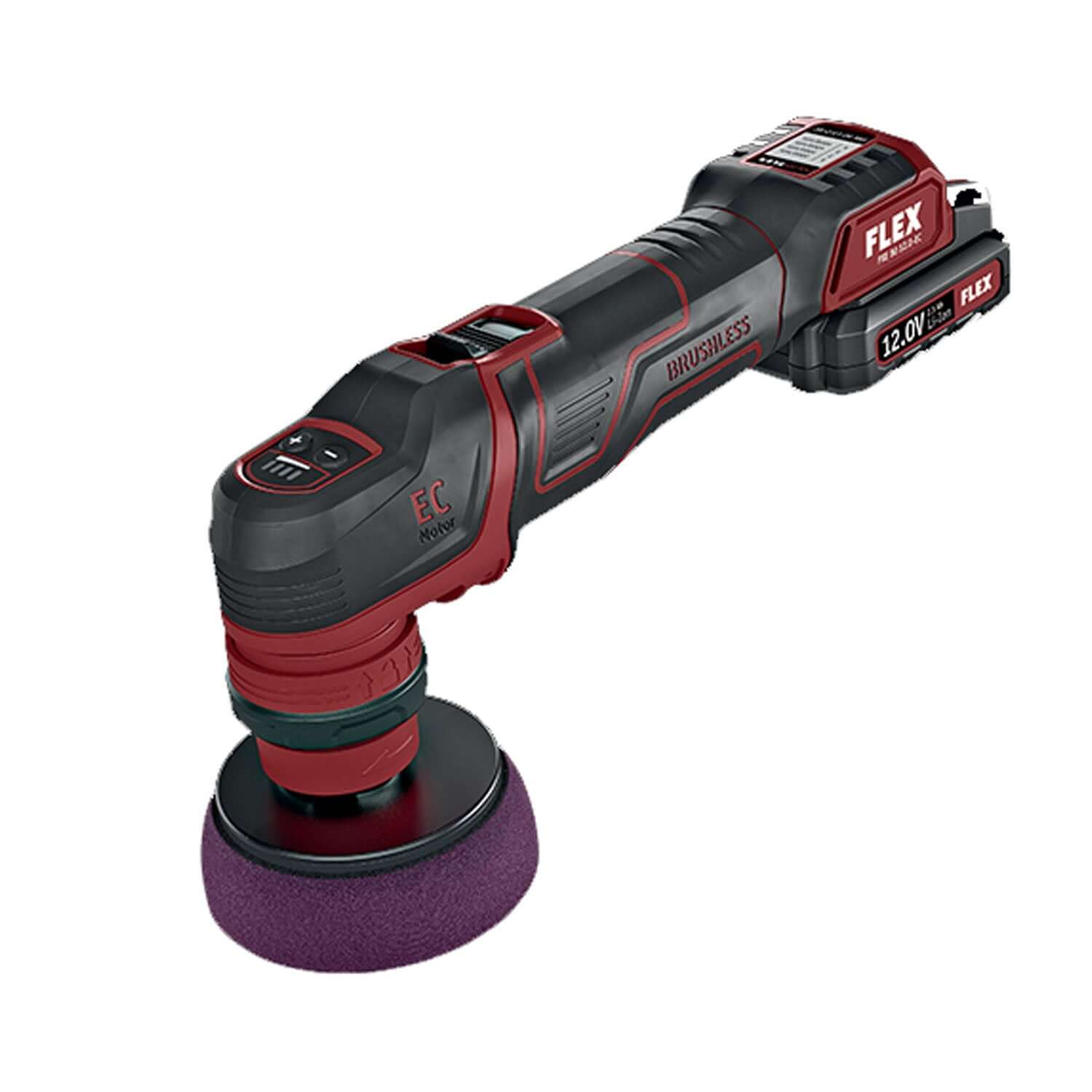
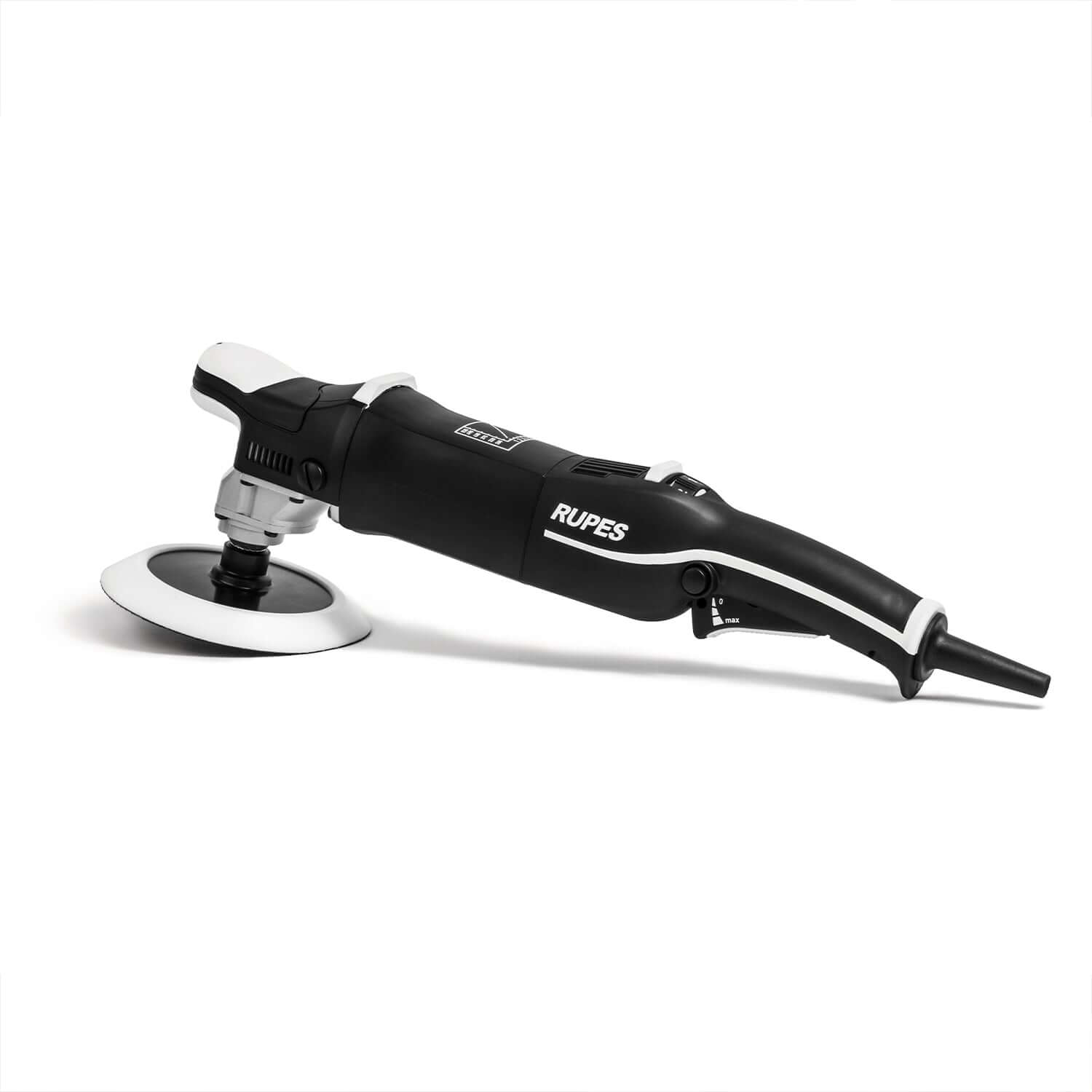
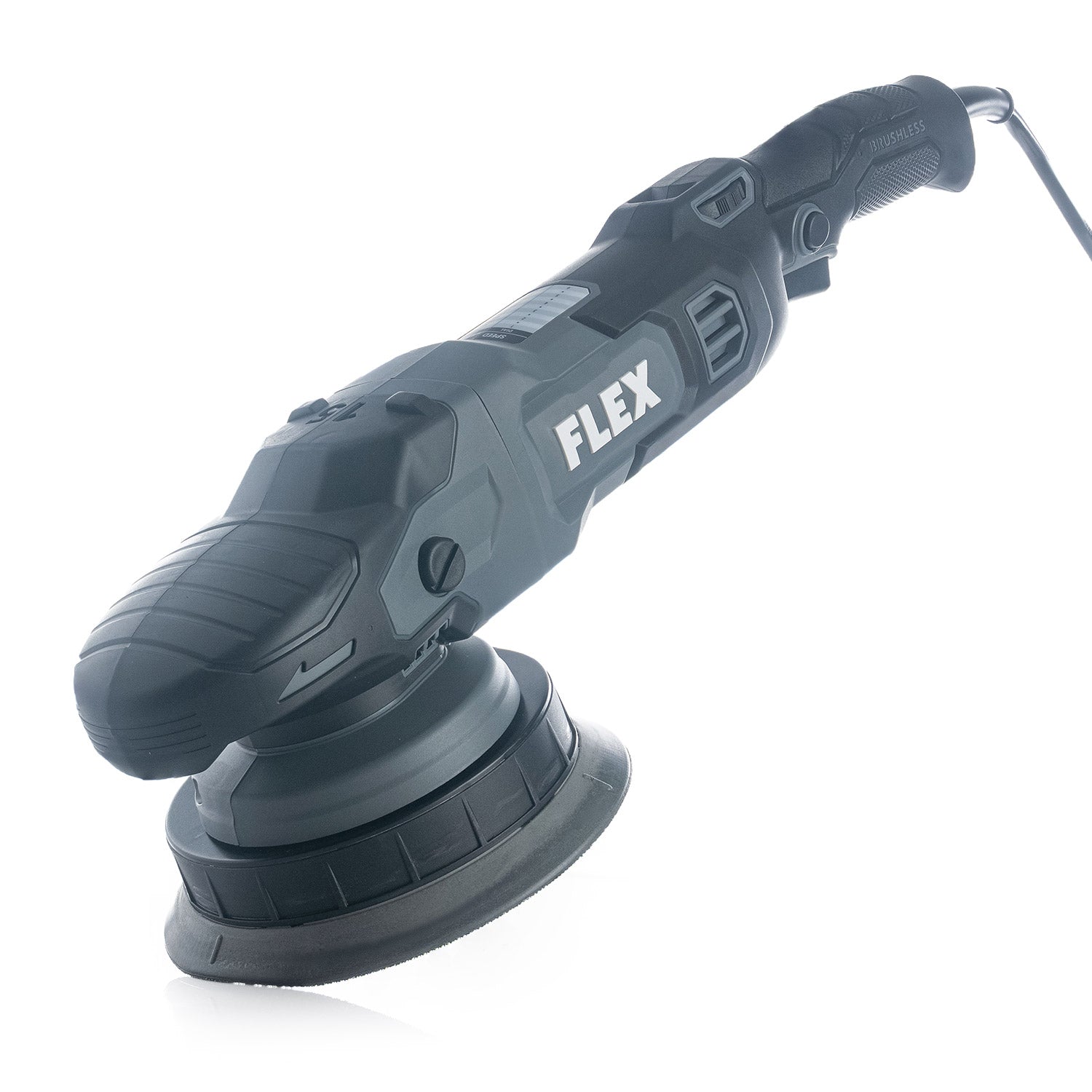
Gear-driven: forced rotation keeps the pad turning under pressure, so it corrects faster and cuts closer to a rotary. RUPES LK900E rotates clockwise for more control and less side-to-side pull, and the FLEX XCE 10-8 125 is a 5-inch gear-driven DA that runs cool on temperature-sensitive paint. Shop all gear-driven polishers.
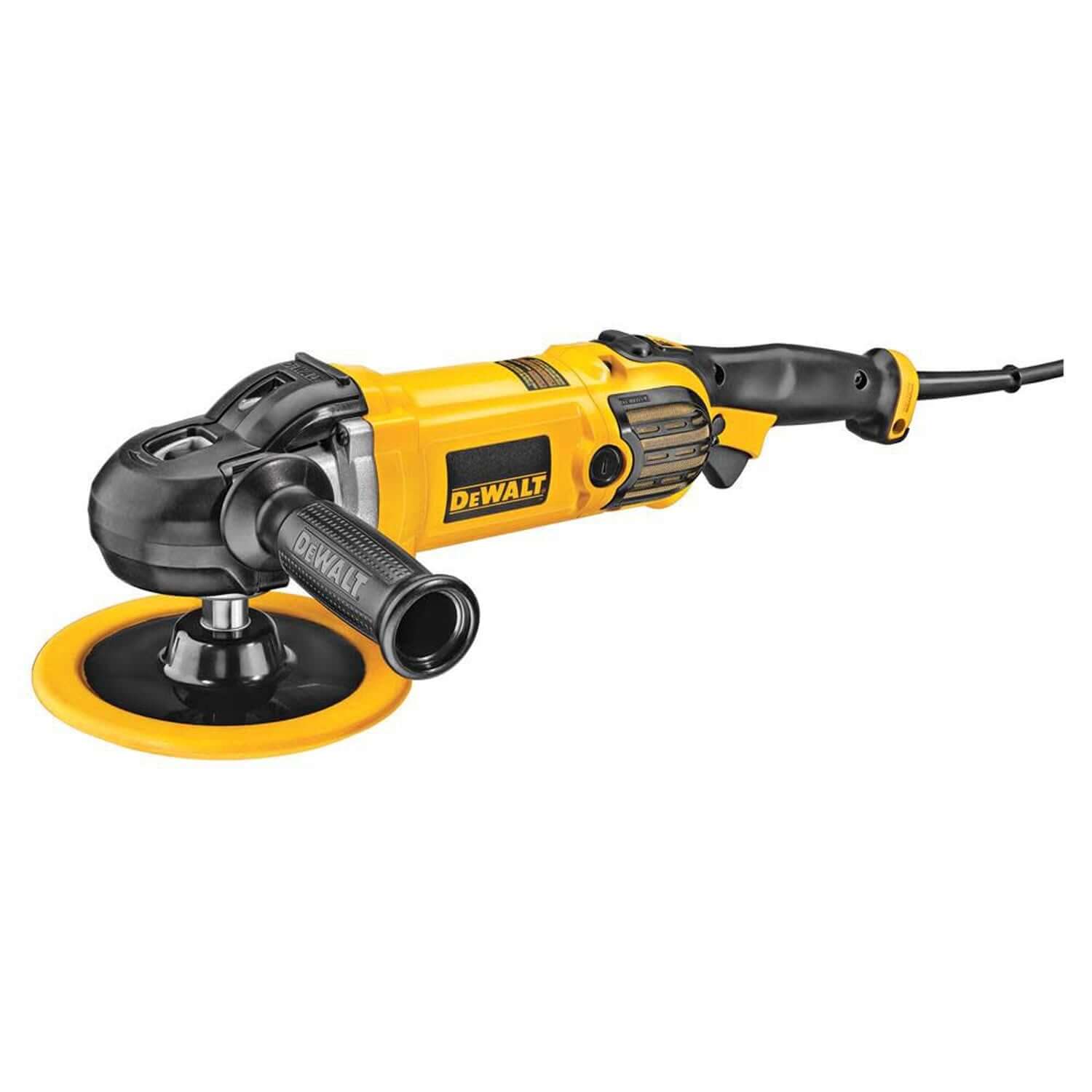
Rotary: the fastest cut for deep swirls, oxidation, and orange peel, and the tool for sanding, but it builds heat and takes more skill. RUPES LH19E puts a high-torque motor in a compact body with a loop handle, and the FLEX 120V Brushless Rotary Polisher holds up to 1,800 RPM under load. Shop all rotary polishers.
How to Choose: Cordless, Minis, and Air
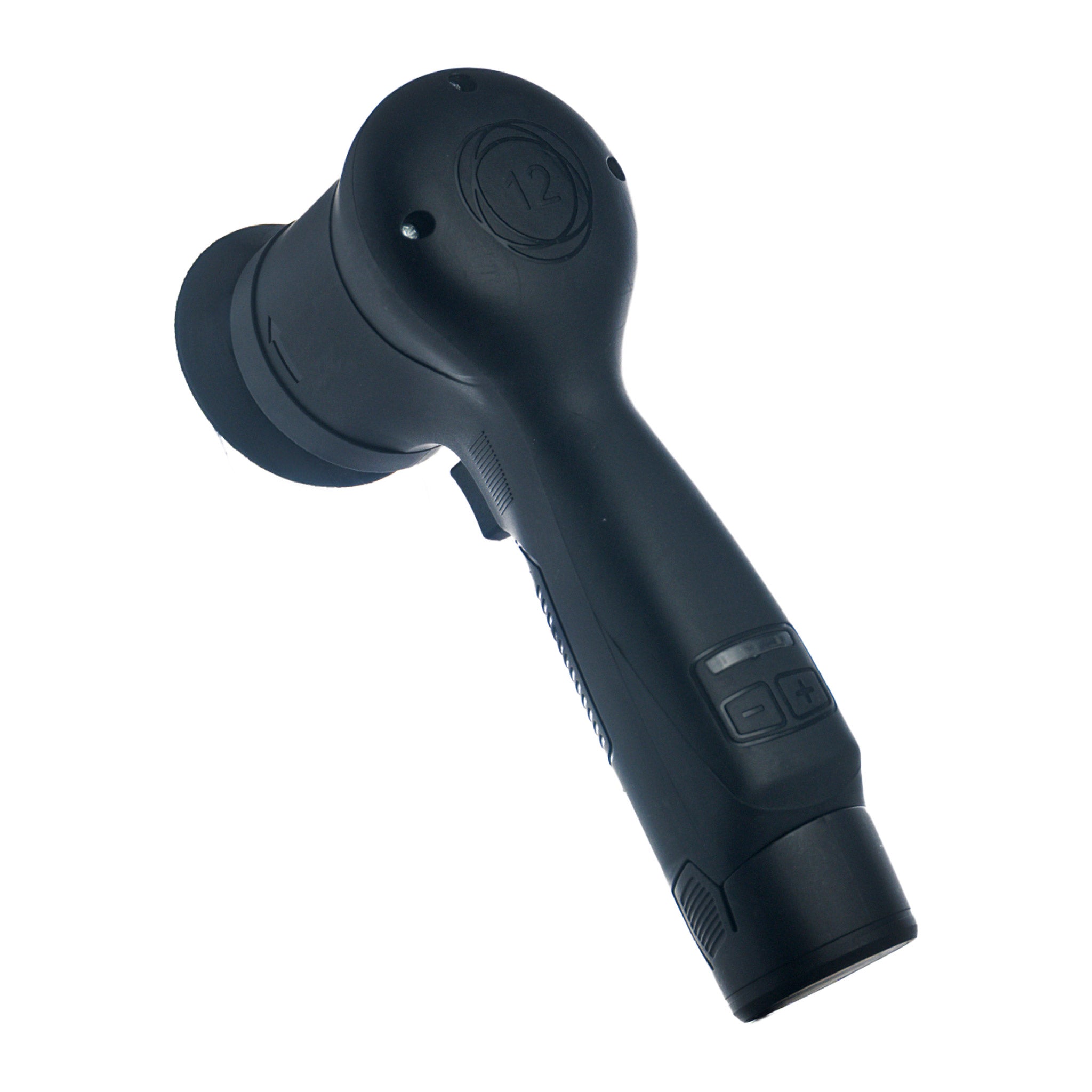
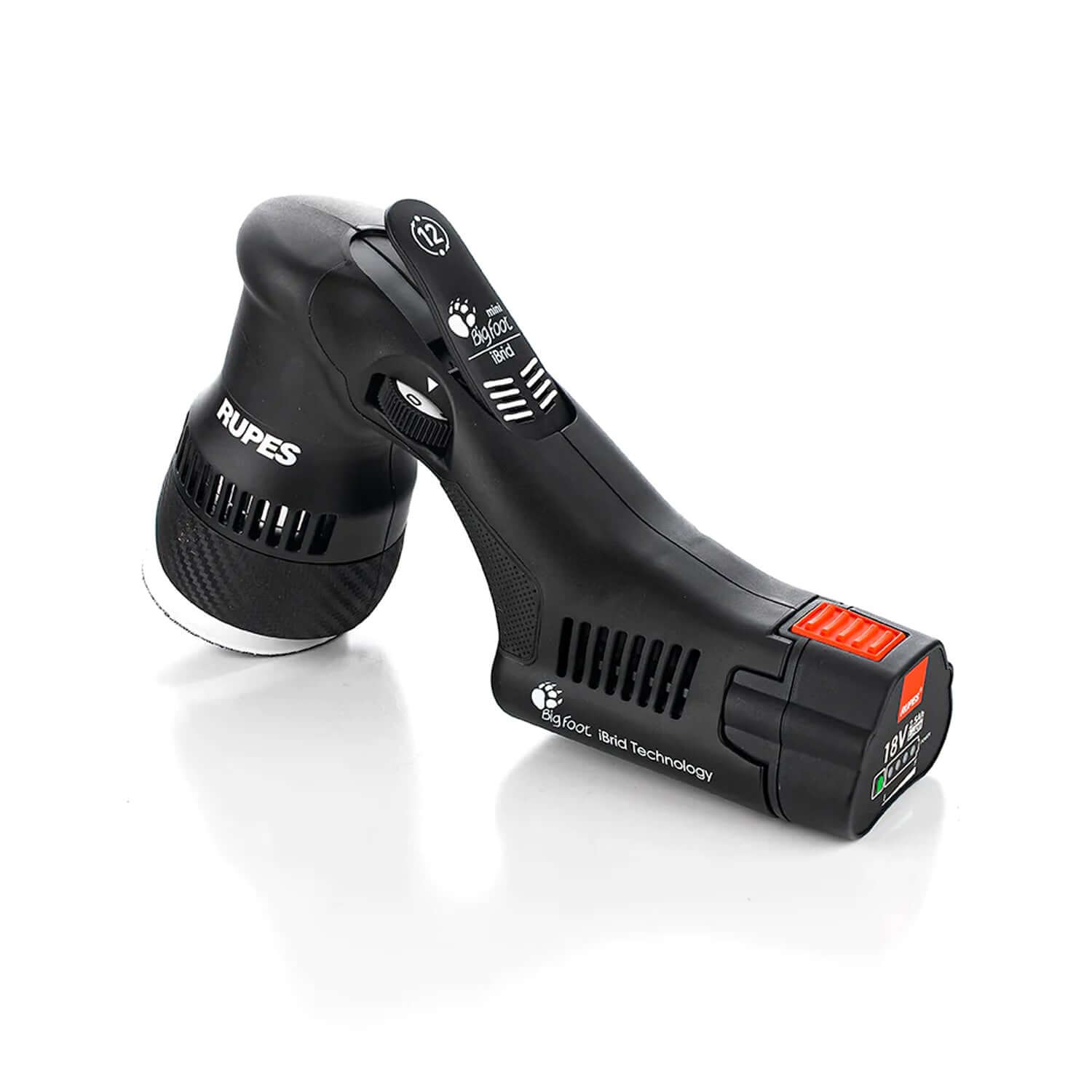
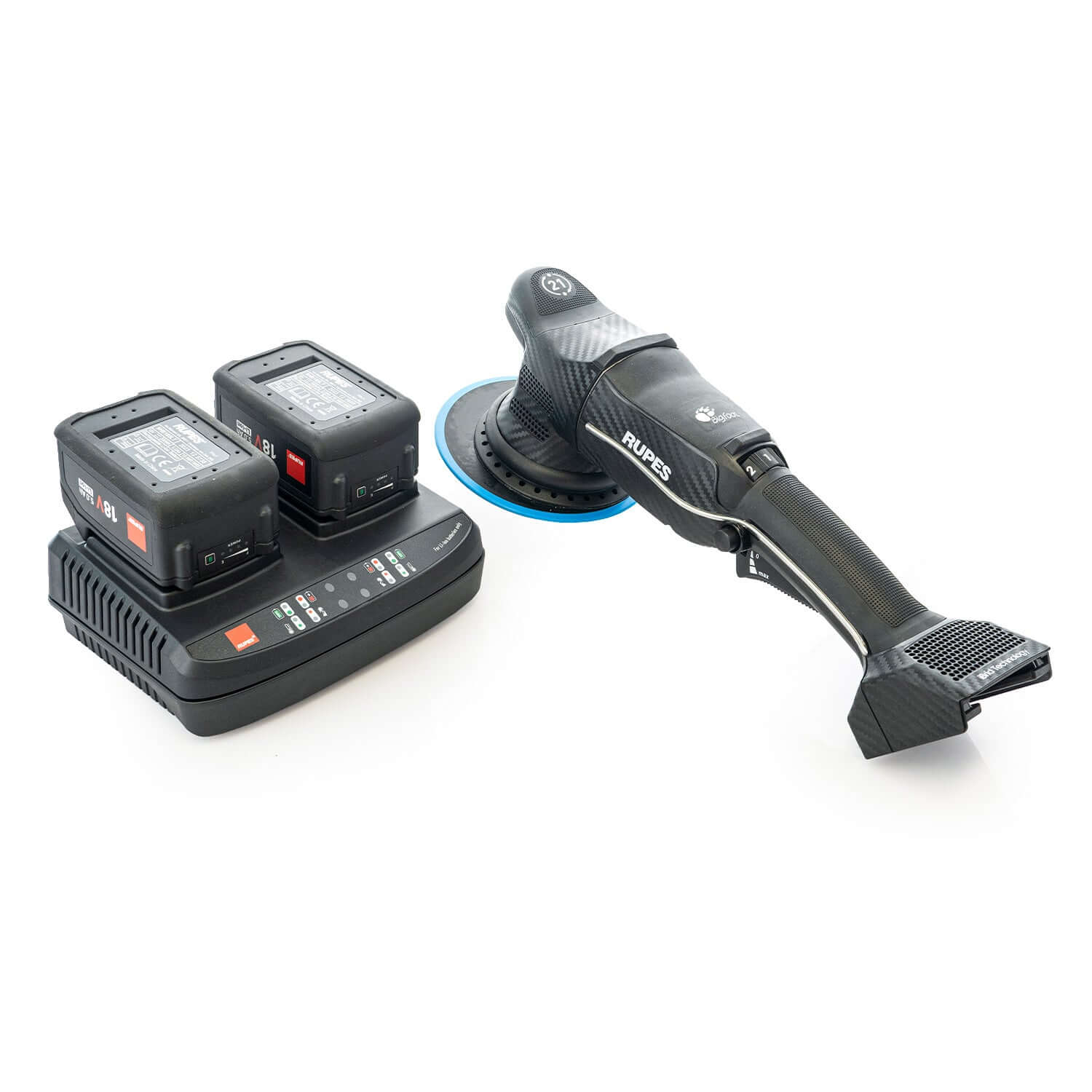
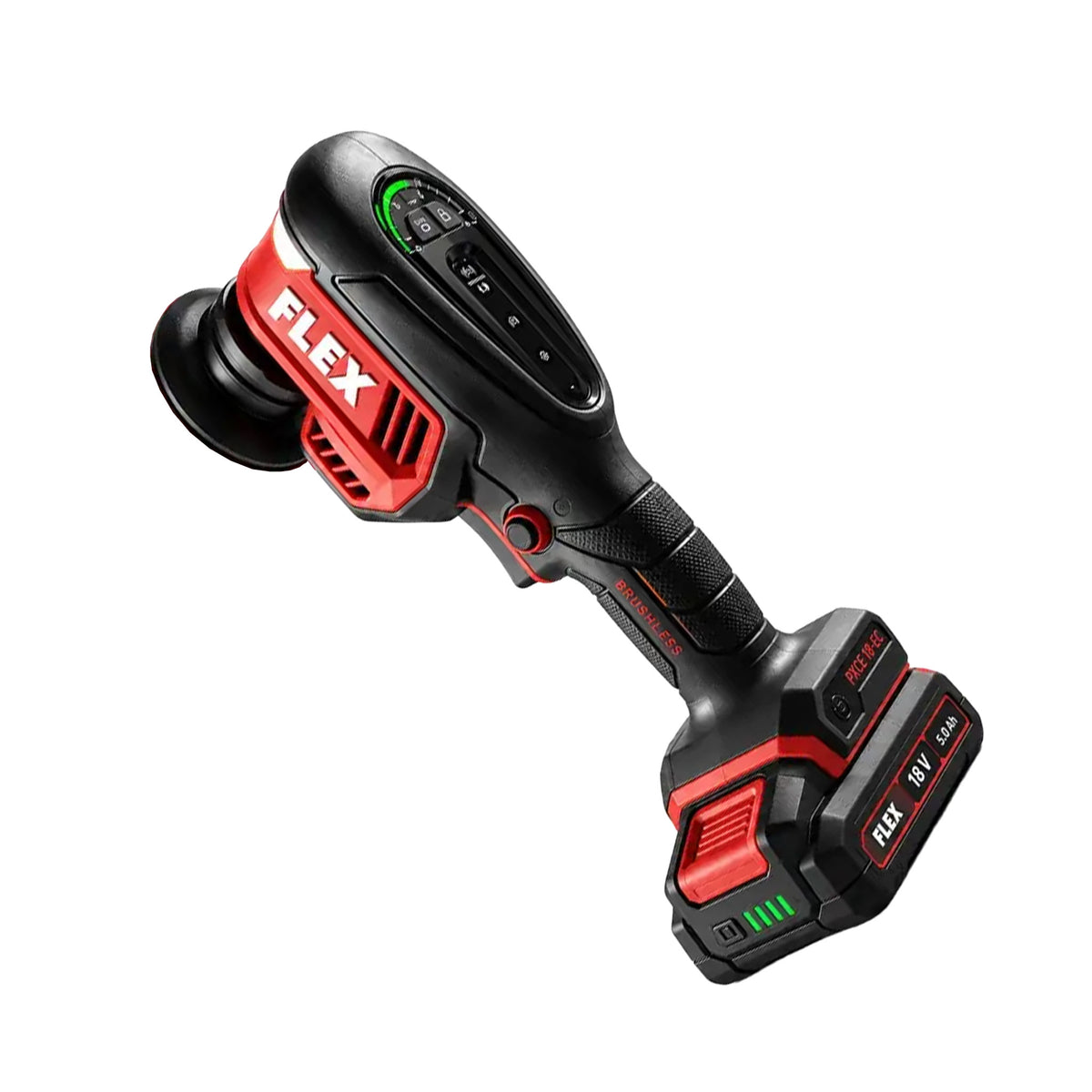
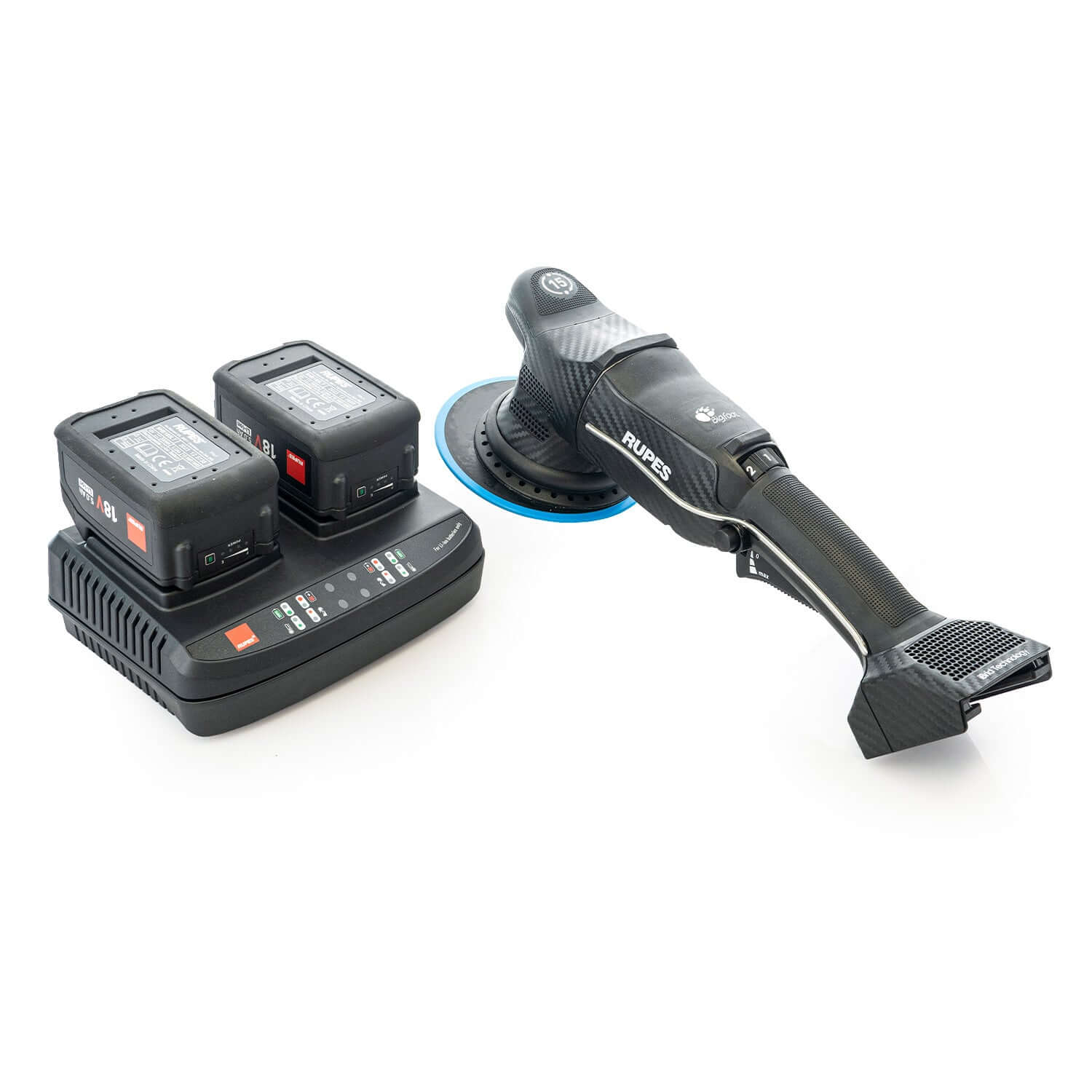
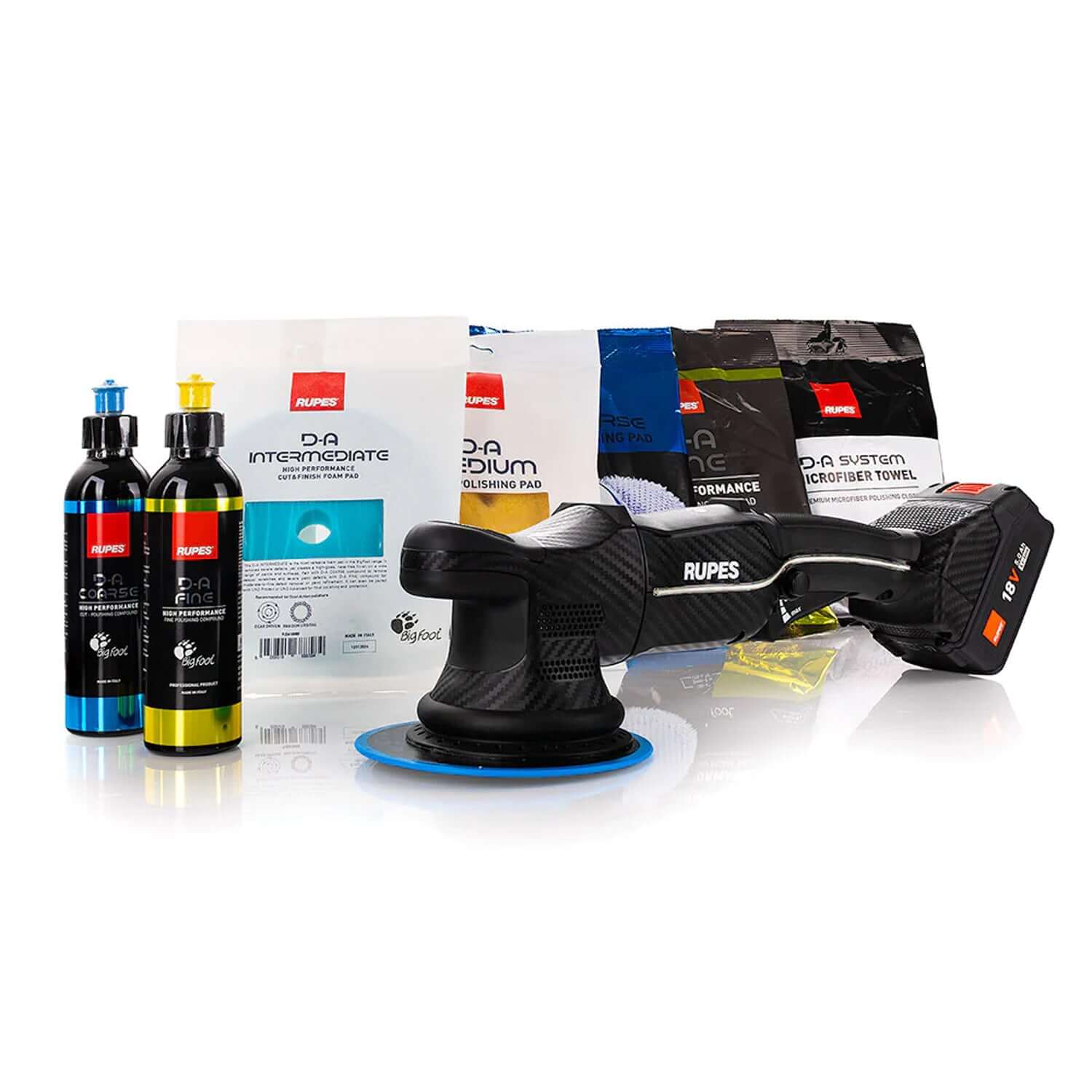
Cordless: RUPES HLR21 and HLR15 run on iBrid dual power with up to 40 minutes per battery, and FLEX makes 24V cordless random orbital, gear-driven, and rotary kits. Shop all cordless polishers.
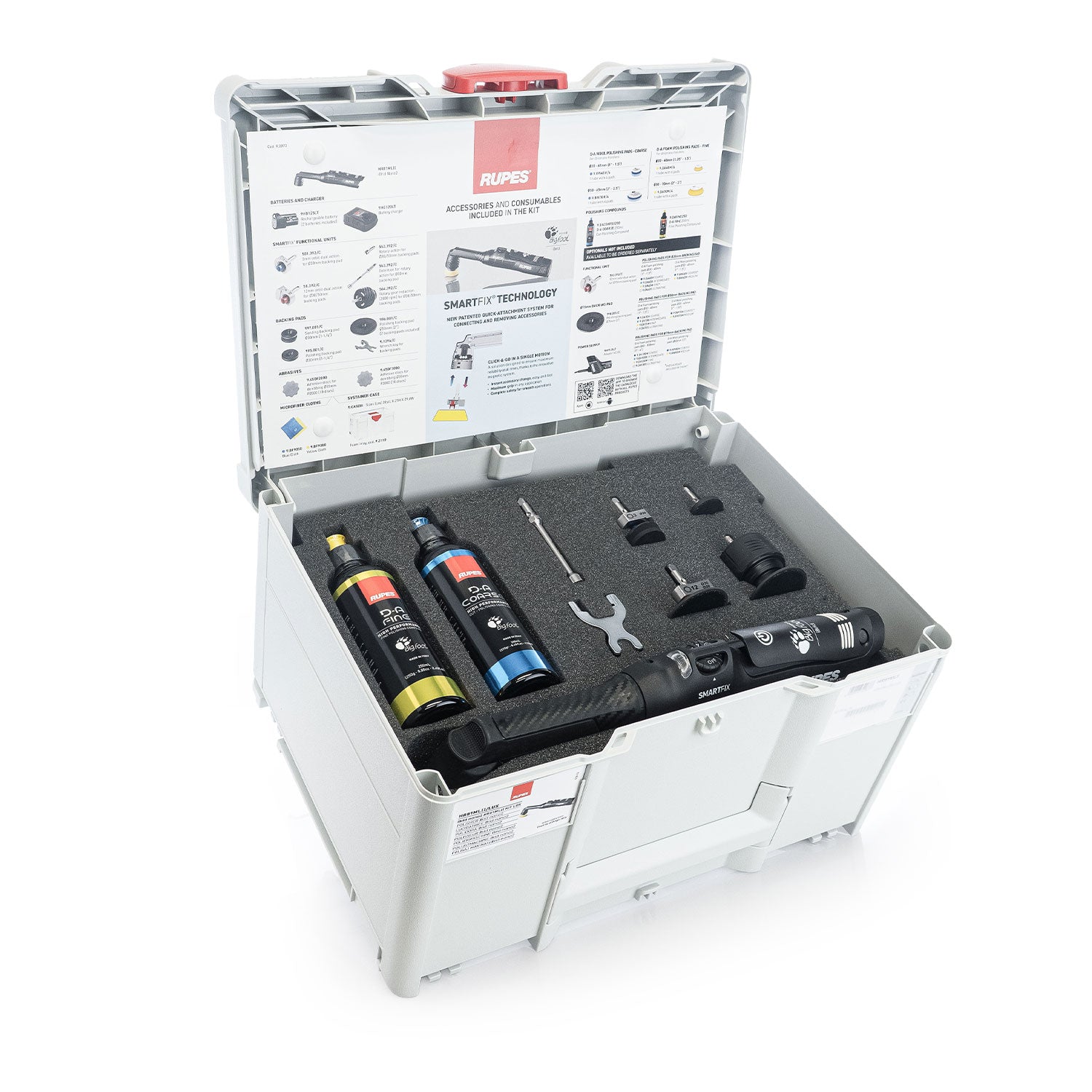
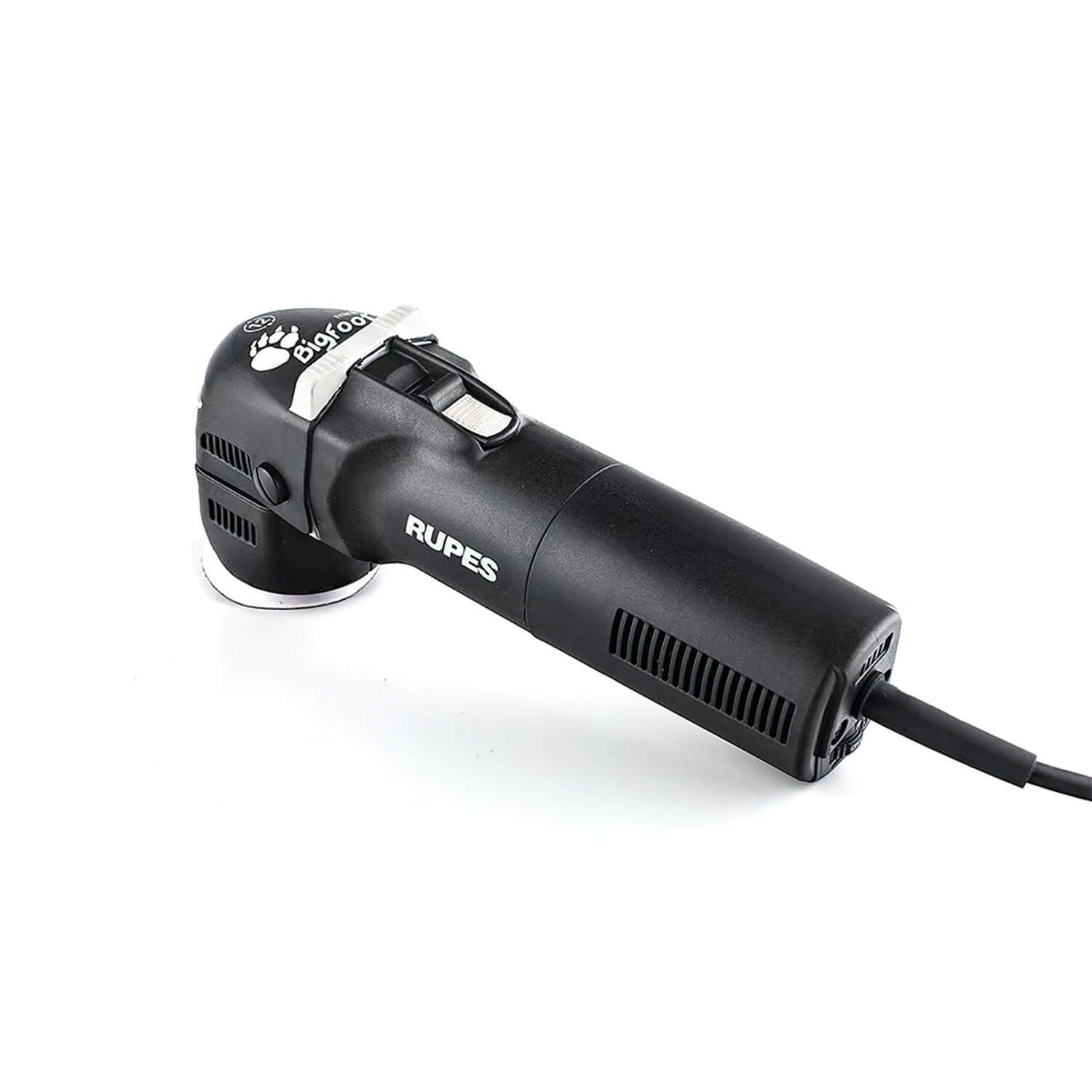
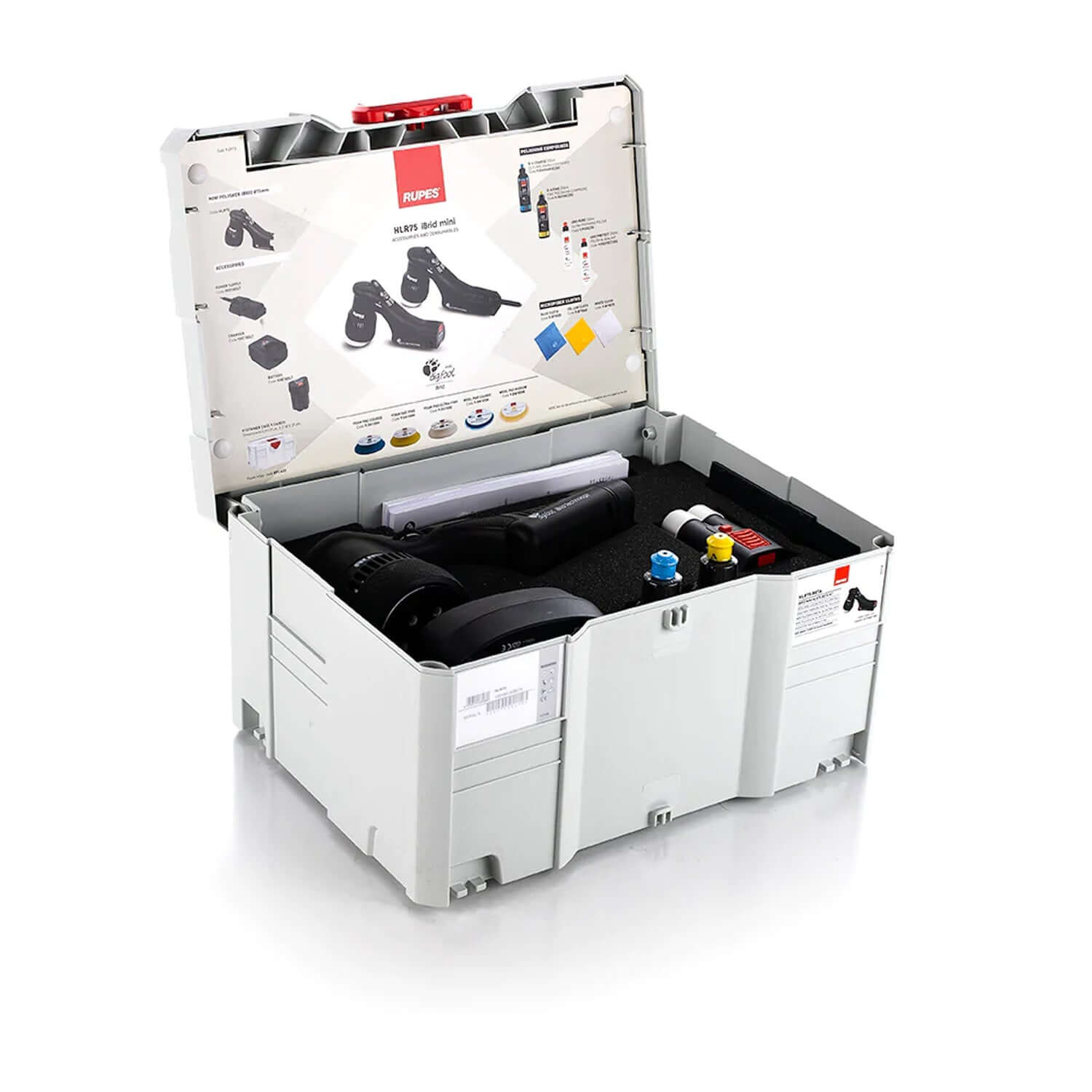
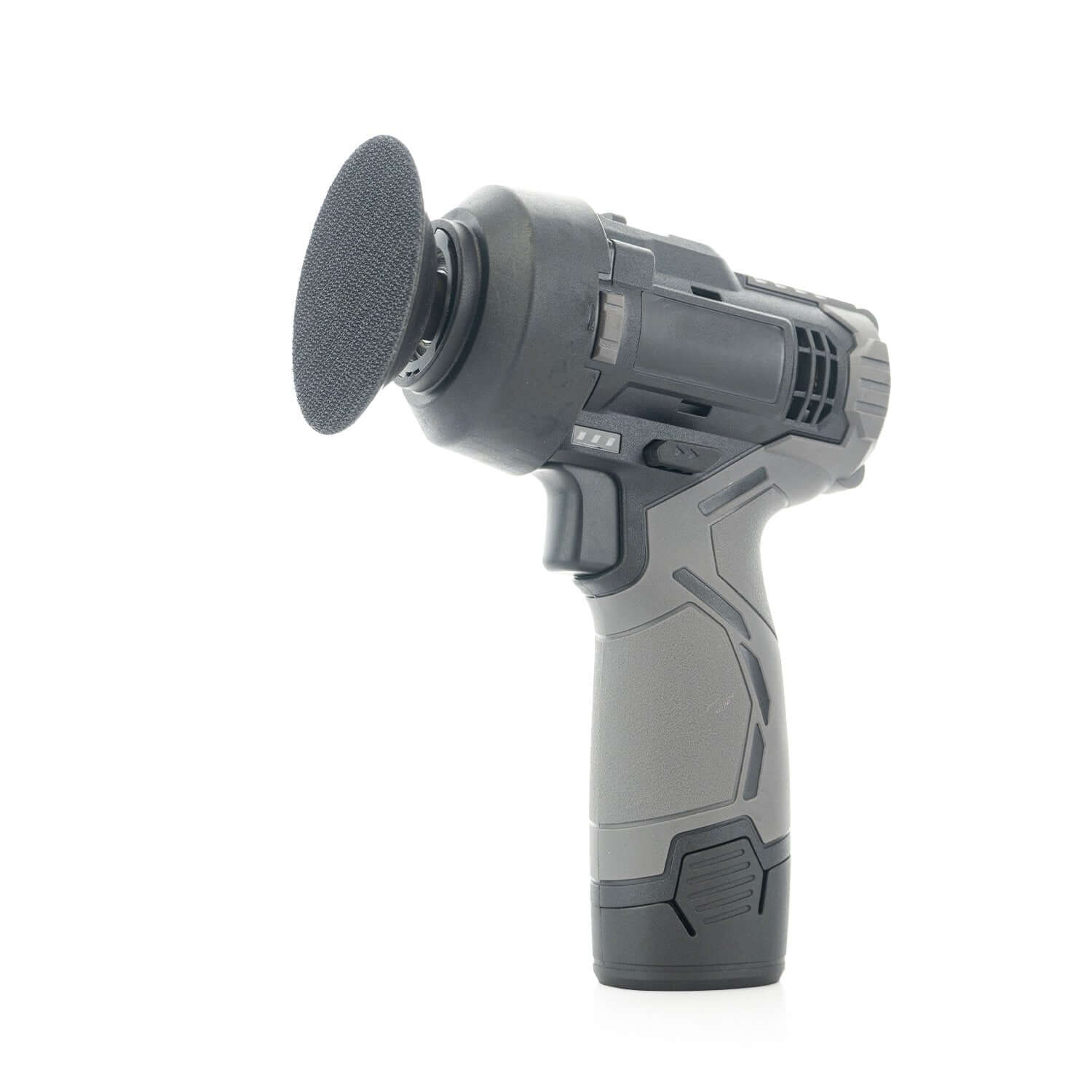
3-inch minis and spot repair: Barjack Raven 3" Cordless DA Polisher has an angled head for door jambs, pillars, bumpers, and mirrors. RUPES LHR75E runs a 12mm orbit on a 3" plate, and the RUPES iBrid Nano 2 Complete Kit and FLEX PXE80 Polisher Kit switch between orbital and rotary for spot repairs.
Air and sanding: RUPES LHR75 Pneumatic Orbital Polisher runs a 15mm orbit on a 3" plate from shop air, and the RUPES LHR12E Duetto sands with micro-abrasive discs and then polishes, built for orange peel and severe defects. More in our sanders.
Frequently Asked Questions
DA, gear-driven, or rotary?
Start with a DA. It spins freely and can slow under pressure, which makes it the safest finisher and the easiest to learn on. A gear-driven polisher forces the pad to keep turning, so it corrects faster. A rotary spins on one axis for the heaviest cutting and sanding, and most rotary work ends with a DA finishing pass to clear holograms.
What size polisher do I need?
Match the pad to the panel. A 6-inch machine covers hoods, roofs, and doors fastest, a 5-inch handles curves, and a 3-inch mini reaches pillars, mirrors, and spot repairs. On a DA the throw matters too: 21mm covers big panels fast, and 15mm handles curves.
RUPES or FLEX?
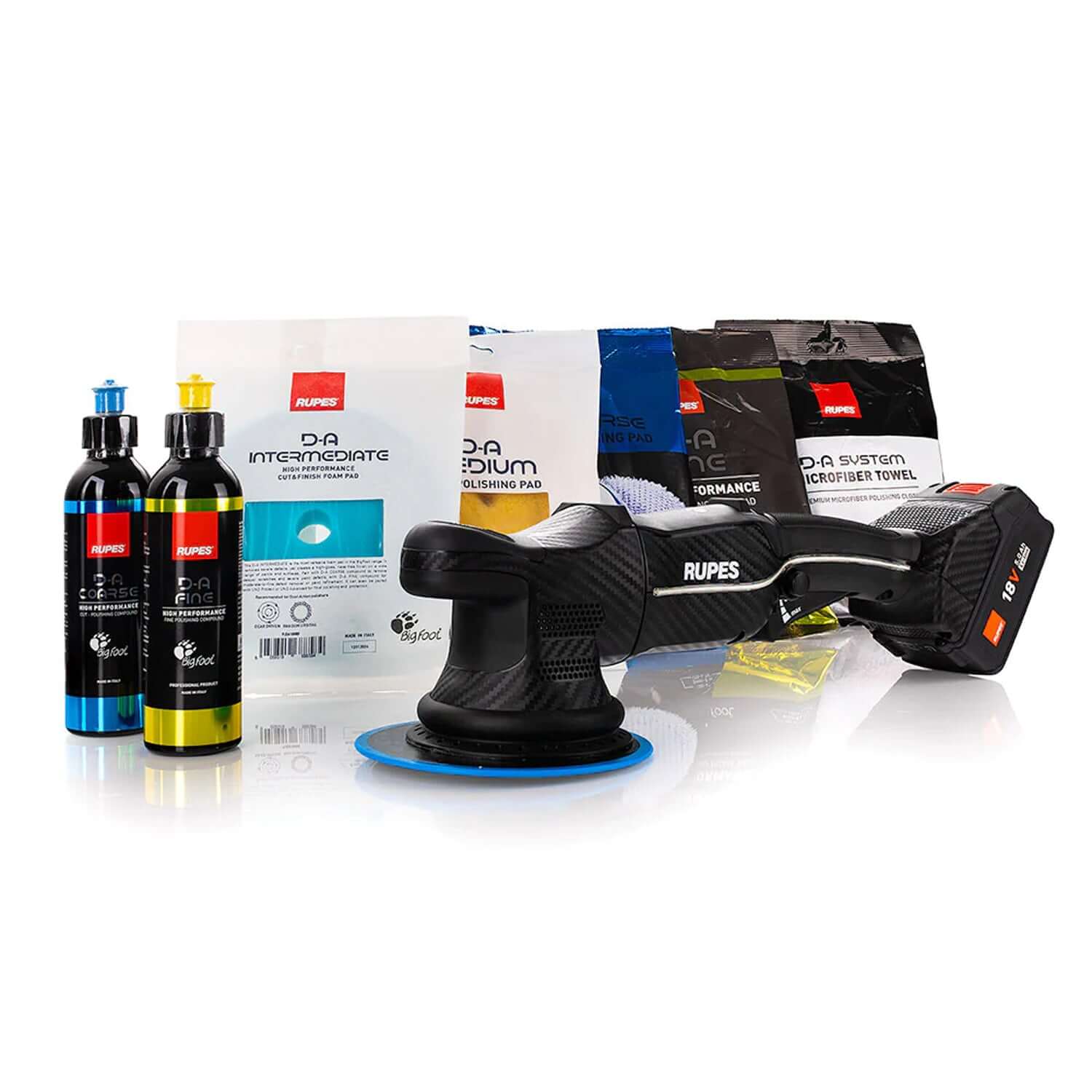
Both make DA, gear-driven, and rotary machines for professional correction. RUPES builds the BigFoot system, where the polisher, pads, and polishes are designed to work together. FLEX is known for multi-mode tools like the PXE80 and PXCE 18-EC. Read our FLEX vs. RUPES comparison.
What else do I need to start polishing?
Pads, a backing plate that fits your machine, and a compound and polish. Browse The Pad Shop, backing plates, compounds, and polishes. Replacement parts for RUPES machines are in RUPES Polisher Parts.