
Undercoatings
Learn More About
Undercoatings
Undercoating seals the underside of a vehicle against rust, salt spray, and stone chips, and deadens sound in the wheel wells. An aerosol covers smaller jobs with no equipment, and a spray-gun undercoating covers full chassis, door sill, and wheel housing work. Both are paintable once dry.
How to Choose
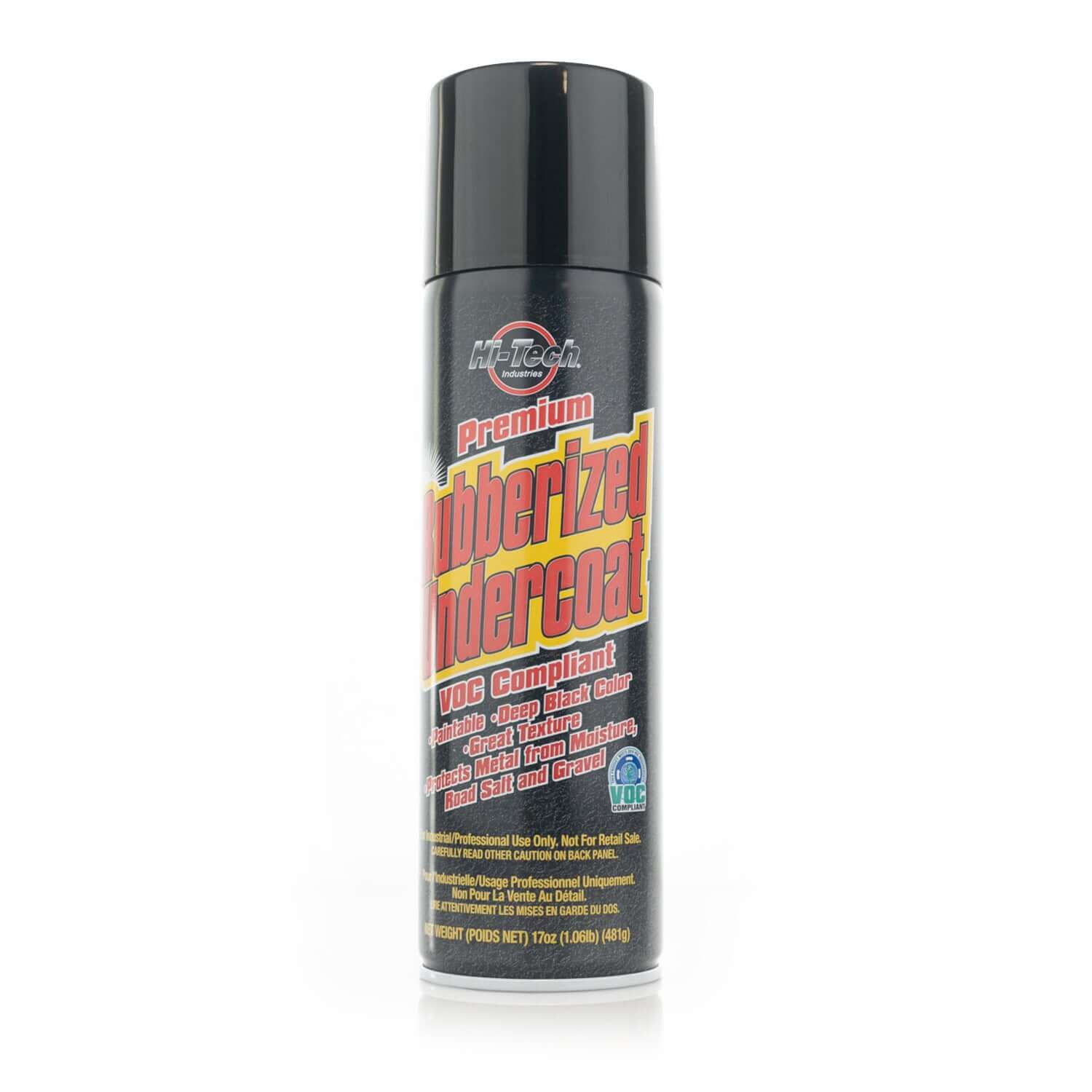
Spray from the can, no equipment: Hi-Tech Premium Rubberized Undercoat 687. Asphaltic, rubberized aerosol undercoat that blocks rust and corrosion, deadens sound, and stays elastic and waterproof without chipping or cracking. VOC compliant.
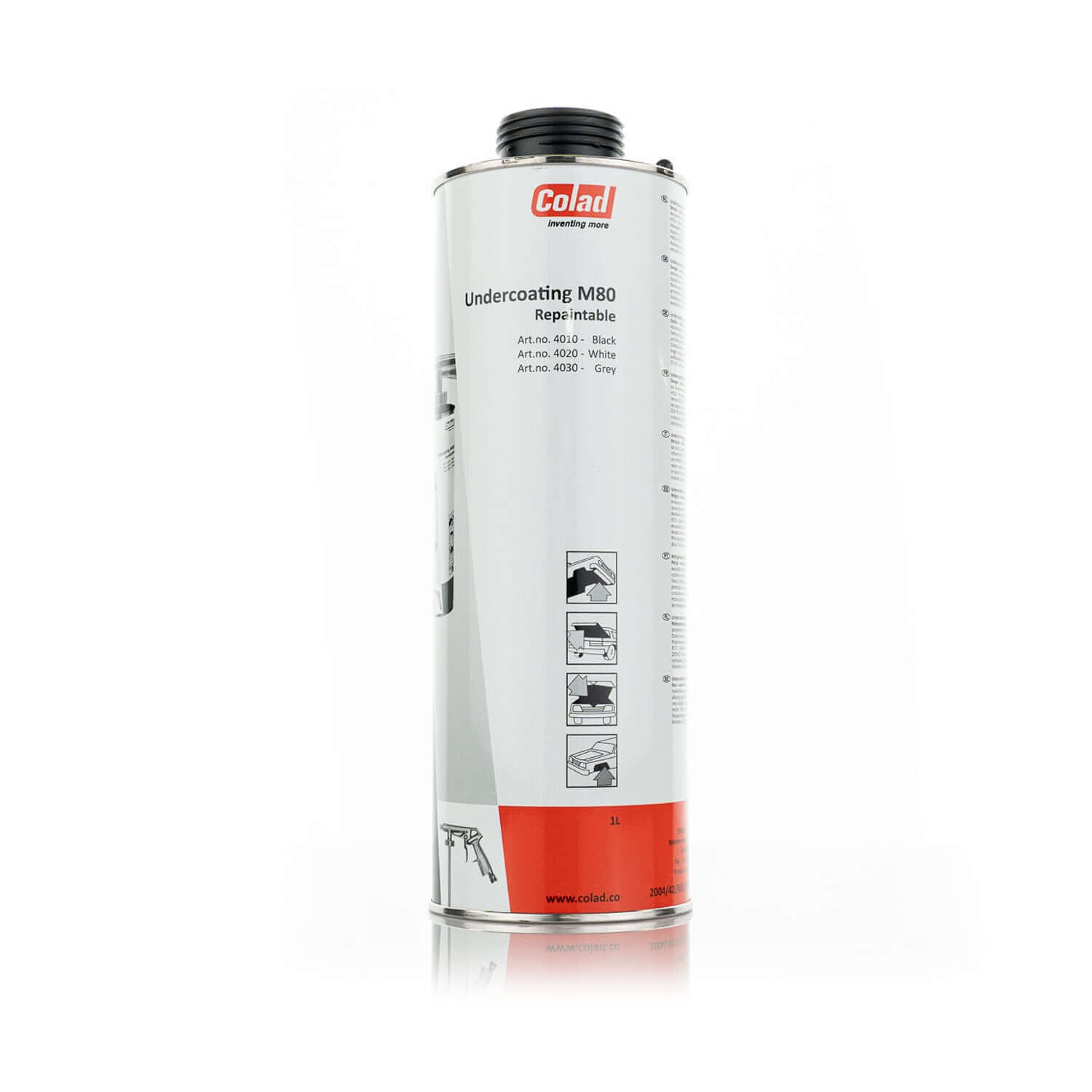
Production work with a spray gun: Colad M80 Undercoating. Rubber and resin stone chip and anti-corrosion coating in 1-liter tins for bumpers, door sills, chassis, and wheel housings. Once cured, it resists water, salt spray, and oil. It is solvent-based, so check VOC compliance by state before ordering.
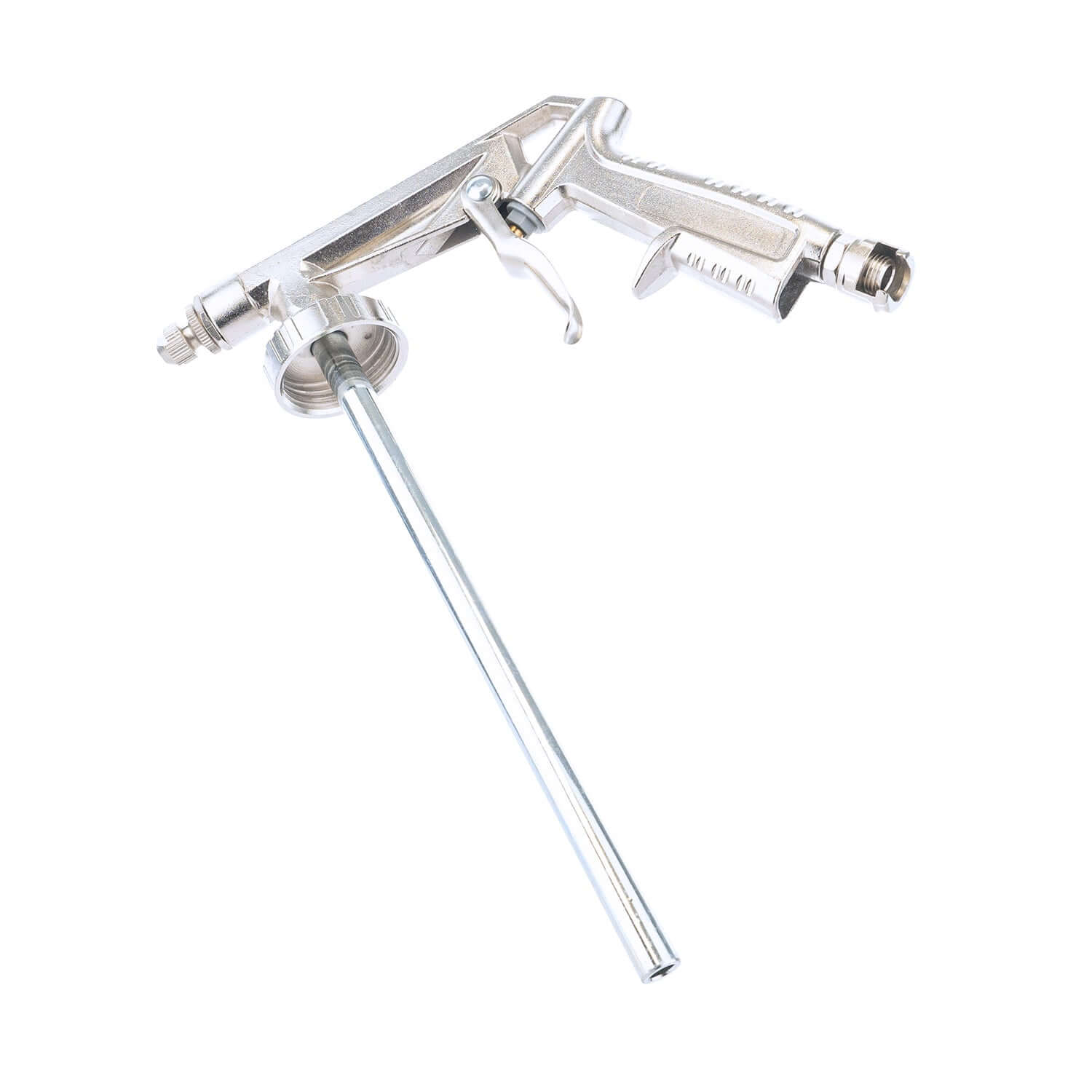
Spray equipment: Find spray guns and sprayers in our foamers and sprayers.
Faded trim, headlights, and bumpers: Shop our exterior restoration.
Frequently Asked Questions
Aerosol or spray-gun undercoating: which should I use?
Hi-Tech 687 sprays straight from the can, so it suits smaller jobs and shops without undercoating equipment. Colad M80 comes in 1-liter tins made for an undercoating spray gun at 3 to 6 bar of air pressure, which suits full chassis and wheel housing work.
How do I prep a vehicle for undercoating?
The surface has to be clean, dry, and free of rust, dust, and grease. Degrease first with a product from our degreasers and let it dry completely. Colad recommends an adhesion test before you start.
Can I paint over undercoating?
Yes, both are paintable once dry. Colad M80 takes most conventional 2K and base coat paints after about 60 to 90 minutes, and Colad recommends a primer first under 2K paint.
How do I clean up overspray?
Wipe it before it cures. Hi-Tech recommends a cloth dampened with kerosene for 687 overspray, and Colad M80 cleans up with solvent while it is fresh.