

Bug & Tar Removers


Learn More About
Bug & Tar Removers
Bugs and tar need different chemistry. Bug splatter softens under a non-acid remover that re-wets it with water, while tar, asphalt, and adhesive only let go to a solvent that dissolves them. This collection covers both, plus the scrubbers that finish the job without reaching for something harsher. Dilute concentrates with the dilution calculator.
How to Choose
Bug splatter on paint, glass, and chrome: Splat! Bug Remover 741. Non-acid, body shop safe, and reactivates dried bugs with water. Doubles as a presoak in bug season.
Scrubbing bugs off painted panels: Bug Remover Sponges. Poly sponge wrapped in nylon mesh that holds plenty of soap and water.
A softer foam scrubber: Jersey Bug Scrubber Pad. High-density foam pad from The Rag Company for interior and exterior surfaces.
Baked-on bugs on chrome, glass, and whitewalls: Bug Scrubbing Block. A coarser block made for the hard surfaces.
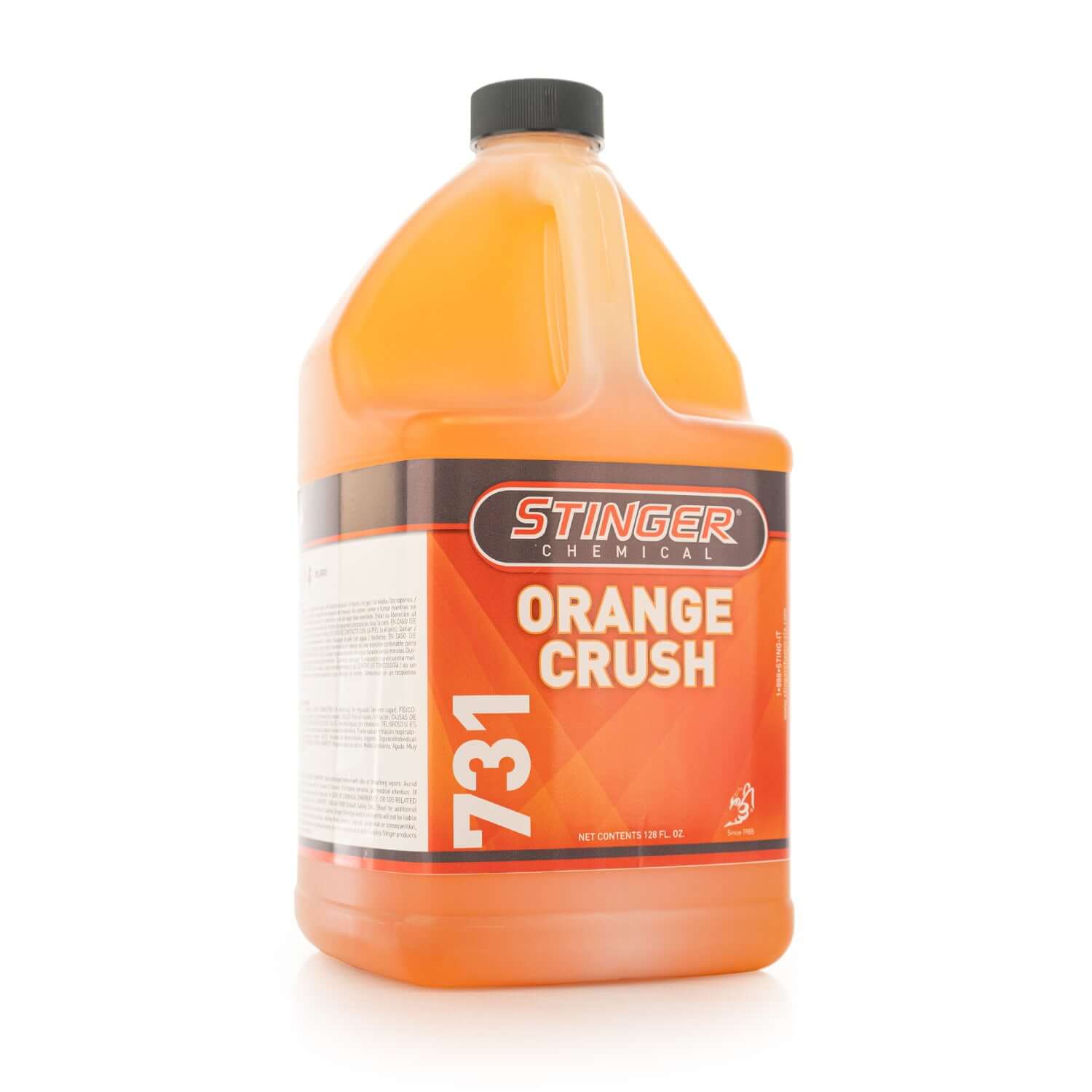
Road tar down the rockers: Orange Crush 731. D-Limonene citrus solvent, used straight for tar and asphalt or diluted for general cleaning.
Decals, tape, and adhesive residue: Specialty Adhesive Remover. Ready-to-use, fragrance-free solvent for tar, decals, and glue on bumpers and painted surfaces.
Quick spot work: Ultimate Orange. Aerosol citrus solvent for small tar spots and adhesive. Lift softened glue with a plastic blade from our scrapers.
Frequently Asked Questions
What is the difference between a bug remover and a tar remover?
A bug remover like Splat is a non-acid cleaner that re-wets dried splatter so it rinses away. A tar remover is a solvent that dissolves tar, asphalt, and adhesive. Using one for the other's job means a lot of scrubbing for little result.
Will tar remover strip my wax or sealant?
Yes. Solvents remove wax and sealant along with the tar, so reapply protection to any panel you treat. That same stripping action makes them a useful prep step before PPF, wrap, or a ceramic coating.
Can I let bug remover dry on the paint?
No. Splat is alkaline, and any alkaline cleaner left to dry can spot. Work in small sections out of direct sun, keep the surface wet while it dwells, and rinse before it dries.
Is tar remover safe on plastic and rubber trim?
Test first. Brief contact with cured paint is what these solvents are made for, but longer dwell can soften or haze some plastics, rubber, and trim. Rinse thoroughly after use, and check our VOC compliance page before ordering solvent products. For grease rather than tar, see our degreasers.